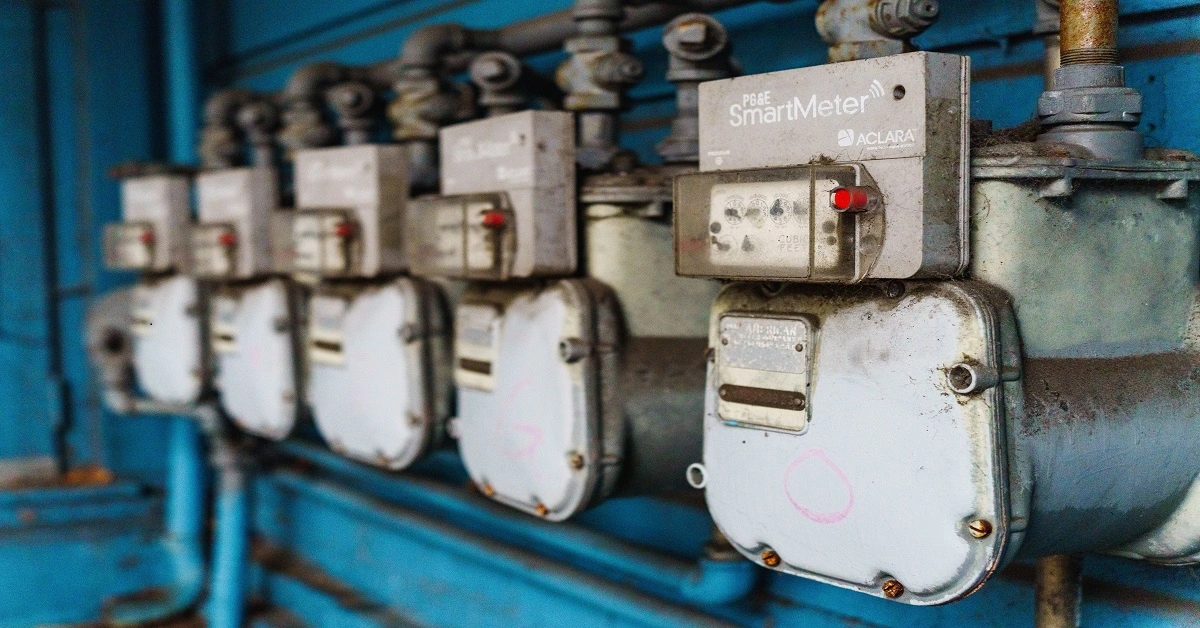
Heating water is one of the biggest energy demands in a typical Australian home, often trailing only heating and cooling. That makes the choice of system a meaningful one for anyone trying to trim bills or reduce their footprint. A gas hot water system has been the default in many suburbs for decades, yet its place is being reassessed as efficiency becomes a sharper focus. Weighing it fairly against the alternatives helps homeowners make a decision that suits both their budget and their values.
Where Gas Earned Its Reputation
Gas became popular for good reasons. It heats water quickly, copes well with large households and has historically been cheaper to run than older electric tanks in many areas.
For families with back-to-back showers each morning, that fast recovery has been a major drawcard. It also explains why so many existing homes are already plumbed for it.
Not All Gas Units Are Equal
Storage Models
Gas storage tanks keep a supply of water hot at all times. Their main efficiency drawback is standby loss, where heat slowly escapes from the tank even when no one is using water.
Continuous Flow Models
Continuous flow units heat water only when a tap is opened. Because there is no tank to keep warm, they generally waste less energy and often carry higher energy star ratings than storage versions.
Reading the Star Rating
In Australia, gas water heaters carry an energy rating label. More stars typically indicate better efficiency, so comparing labels is a sensible first step when shortlisting models.
How Electric Alternatives Stack Up
Heat Pumps
Heat pumps have become the benchmark for efficiency in many discussions. By extracting warmth from the air, they can use considerably less energy than traditional systems, particularly in milder climates.
Solar-Boosted Systems
Solar water heaters use roof-mounted collectors with a gas or electric booster for cloudy days. In sunny regions, they can cover a large share of a household’s needs.
Pairing With Rooftop Solar
Homes that already have solar panels sometimes run electric systems during daylight hours, effectively using self-generated power to heat water.
Running Costs and Changing Prices
The comparison is not fixed. Gas and electricity prices move independently and vary by state, retailer and tariff, so a system that was cheapest five years ago may not hold that position today.
Supply charges are another factor. If gas is used only for hot water, the daily connection fee can make up a notable part of the bill.
The Wider Policy Picture
Several states and territories have started encouraging households to move toward electric appliances, and some have limited gas connections in new homes. Rebates for efficient electric systems are also available in various regions, though details change regularly.
These shifts do not make existing gas units obsolete, but they are worth keeping in mind when planning a long-term replacement.
Questions to Ask Before Deciding
- How many people use hot water, and at what times of day?
- Is the home already connected to gas for cooking or heating?
- Are there solar panels, or plans to install them?
- What incentives currently apply in your area?
Finding the Balance That Fits
A modern continuous flow gas unit can still be a reasonable choice for some households, especially where gas is already used elsewhere. For those placing efficiency above all else, heat pumps and solar options often come out ahead. The right answer depends on the home, the climate and how hot water is actually used day to day.